Alberta’s greenhouse industry is entering an important growth phase. Hydroponic production is among the fastest-growing parts of controlled environment agriculture. It could help provide more local vegetables, create meaningful work, and strengthen food security across the province.
However, every grower faces the same operating challenge: heat.
Alberta’s winters demand reliable heating for much of the year. In a hydroponic greenhouse, production does not stop when the temperature drops. Plants need stable conditions day and night. Therefore, heating can become one of the largest operating costs for a commercial grower.
Natural gas remains a common and often competitive heating choice. However, its price, carbon exposure, and long-term supply risks can affect business planning. Growers need another option that matches their operations.
Heat-only geothermal energy from repurposed out-of-service oil and gas wells could provide that option.
Alberta’s Hydroponic Opportunity Comes With a Heating Challenge
Alberta has strong foundations for controlled environment agriculture. The province offers sunlight, water, agricultural expertise, transportation links, and a large domestic market.
According to Invest Alberta, the province had about 195 commercial greenhouses as of 2023. Greenhouse operations produce crops such as tomatoes, cucumbers, peppers, herbs, flowers, and seedlings.
Most Alberta greenhouse vegetables grow in hydroponic systems. These systems use nutrient-rich water instead of field soil. They can support high yields in a controlled environment while using water efficiently.

The sector also supports a practical economic goal. Alberta imports a significant volume of fruits and vegetables. More local production could help keep food dollars in the province.
Still, growth depends on controlling operating costs. A greenhouse can manage lighting, water, labour, and logistics. Heating remains one of the most difficult costs to avoid.
For this reason, the search for renewable energy for hydroponic greenhouses is not only an environmental question. It is a competitiveness question.
Why Hydroponic Greenhouses Need Baseload Heat
Hydroponic operations have a distinctive energy profile. They often run throughout the year and maintain tight temperature ranges.
Their heat demand can include:
- Maintaining air temperature during cold weather
- Warming root zones and irrigation systems
- Protecting crops during overnight temperature drops
- Managing humidity and condensation
- Supporting year-round planting and harvesting
- Protecting equipment from freezing conditions
A field crop can wait for spring. A hydroponic greenhouse cannot.
Furthermore, many operations do not have a true seasonal shutdown. They may grow continuously or maintain living plants between harvest cycles. As a result, their heat demand can remain steady across many months.
That steady demand creates a strong match with geothermal heat.
Geothermal systems can provide a consistent supply of heat without depending on sunlight, wind, or daily fuel deliveries. They could operate as a baseload heat source, while existing natural gas equipment provides peak support during the coldest periods.
This approach would not require every grower to abandon current equipment. Instead, geothermal heat could reduce the amount of natural gas needed for routine operations.
How Heat-Only Geothermal Could Work for Growers
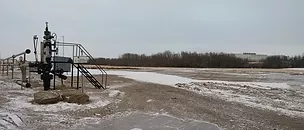
Algar Geothermal’s model focuses on recovering heat from out-of-service oil and gas wells. These wells may contain valuable thermal resources even after their original production ends.
A potential project could connect a suitable well to surface heat-exchange equipment. Insulated piping could then deliver heat to a nearby greenhouse, farm operation, commercial building, or district heating network.
The system would produce heat only. It would not generate electricity.
That distinction matters. A greenhouse needs dependable thermal energy. Heat-only geothermal can focus the project on the energy service growers use most.
A suitable well would require detailed feasibility work. That assessment could include:
- Well temperature and expected heat flow
- Well integrity and regulatory status
- Water chemistry and equipment requirements
- Distance between the well and greenhouse
- Greenhouse heat demand throughout the year
- Connection costs and surface infrastructure
- Backup and peak-load requirements
No active Algar geothermal projects exist today. However, Algar is planning a southern Alberta pilot for 2026. The pilot could help demonstrate how legacy well infrastructure might support renewable heat for local agricultural operations.

Natural Gas Versus Geothermal Heat
Natural gas has long provided Alberta farms with accessible and flexible heat. Existing pipelines, boilers, and maintenance systems make it familiar.
However, relying on natural gas alone can create several business risks:
- Fuel prices may change over time
- Carbon costs may increase project uncertainty
- Combustion equipment requires ongoing maintenance
- Supply disruptions can affect operations
- Long-term emissions targets may limit future choices
- Fuel purchases send operating dollars outside the farm
Geothermal heat could address some of these risks. Once the surface system and well connection are established, the heat source could provide a more stable long-term cost structure.
That does not mean geothermal would eliminate every energy expense. Pumps, controls, maintenance, and backup systems would still matter. Each site would also require a separate financial and technical assessment.
However, the comparison should focus on the full operating picture. A grower should ask:
Which heating system could provide the most reliable and manageable cost over the life of the greenhouse?
A hybrid design may offer the strongest answer. Geothermal could serve the regular baseload. Natural gas could provide backup during peak winter conditions.
A Proven Greenhouse Heating Model Exists
Alberta would not be the first region to connect geothermal heat with greenhouse production.
The Netherlands provides a useful benchmark. Its greenhouse sector has developed geothermal heating projects that supply heat to multiple growers. According to Glastuinbouw Nederland, geothermal sources serve greenhouse horticulture across a significant area.
The Dutch model shows several important lessons:
- Greenhouses can use geothermal heat as a baseload resource
- Multiple growers can share heat infrastructure
- Regional networks can improve project economics
- Renewable heat can reduce natural gas demand
- Government and industry coordination can reduce development risk
The Netherlands has different geology, regulations, and infrastructure. Therefore, Alberta would need its own feasibility studies and operating model.
Still, the principle is relevant. Greenhouse production needs continuous heat. Geothermal systems can provide continuous heat. That is a practical alignment.
The Implementation Highway: A Practical Path for Alberta
A successful pilot will require more than a willing grower. It will need an organized path from concept to operation.
We call this path the Implementation Highway. It can help government, growers, oil and gas companies, and technical partners move together.
1. Identify a suitable greenhouse load
A grower can begin by sharing basic information about the operation:
- Greenhouse size and location
- Crop types and growing schedule
- Current heating system
- Annual natural gas consumption
- Peak winter heat demand
- Expansion plans
- Interest in pilot participation
This information would help determine whether the operation has the steady demand needed for geothermal heat.
2. Match the load with a suitable well
Oil and gas companies may have out-of-service wells near agricultural operations. These wells could represent both an environmental responsibility and a clean energy opportunity.
A potential host company could provide well records, site access, and information about abandonment plans. Algar could then assess whether the well might support a heat-only geothermal application.
This creates a win-win opportunity. The oil and gas company could help repurpose existing infrastructure. The grower could access a potential low-carbon heat source. Alberta could support economic diversification and local food production.
3. Complete technical and financial feasibility
The next step would involve engineering, geology, permitting, and financial analysis.
The study should answer practical questions:
- How much heat could the well provide?
- What surface equipment would the project require?
- How close is the well to the greenhouse?
- What backup system would be needed?
- What funding could reduce capital risk?
- What heat price would support the grower’s business?
No grower should commit based on a concept alone. Sound feasibility work protects the grower, the well owner, and public funders.
4. Build the funding case
Alberta’s Growing Greenhouses Program identifies renewable and efficient energy systems as eligible activities. The program supports year-round food production and high-efficiency greenhouse technologies.
The program page currently states that applications are closed. However, growers should continue monitoring future funding opportunities and related federal programs.
A strong application could connect several public priorities:
- Food security
- Rural economic development
- Agricultural competitiveness
- Clean technology demonstration
- Oil and gas infrastructure reuse
- Emissions reduction
- Workforce transition
Federal and provincial funding could help de-risk the pilot. Industry commitments could provide access to wells and technical knowledge. Grower participation could demonstrate a real market for the heat.
5. Measure results and prepare for replication
The 2026 southern Alberta pilot could track:
- Heat delivered to the greenhouse
- Natural gas displaced
- Operating cost changes
- System reliability
- Maintenance requirements
- Crop production impacts
- Workforce and local economic benefits
Those results could guide future projects across Alberta. They could also support district heating networks for multiple farms, businesses, or communities.
How Growers Can Get Involved
The first step does not require a major commitment. A grower can start with a conversation.
Consider preparing your greenhouse energy data and identifying your key questions. Then explore the Algar Geothermal pilot opportunity and contact the Algar team through algargeothermal.com.
Growers can also engage through the Alberta Greenhouse Growers Association. Shared industry participation could help identify the best pilot locations and common technical needs.
Alberta’s greenhouse sector has the opportunity to grow with greater energy resilience. Repurposed wells could become productive assets rather than stranded infrastructure. Oil and gas workers could apply their skills to renewable heat projects. Growers could gain another tool for managing long-term heating costs.
The pilot is still ahead. No active Algar project operates today. Yet the next step is clear: identify a suitable greenhouse, match it with a suitable well, and build the evidence needed to move forward.
Could renewable energy for hydroponic greenhouses help Alberta grow more food, strengthen local businesses, and put existing infrastructure back to work?